
Mulch Options
Explore colors and natural textures for your landscape. Compare benefits, best uses, and care tips to find the right fit for your planting beds. Material, color, and availability may vary by supplier.
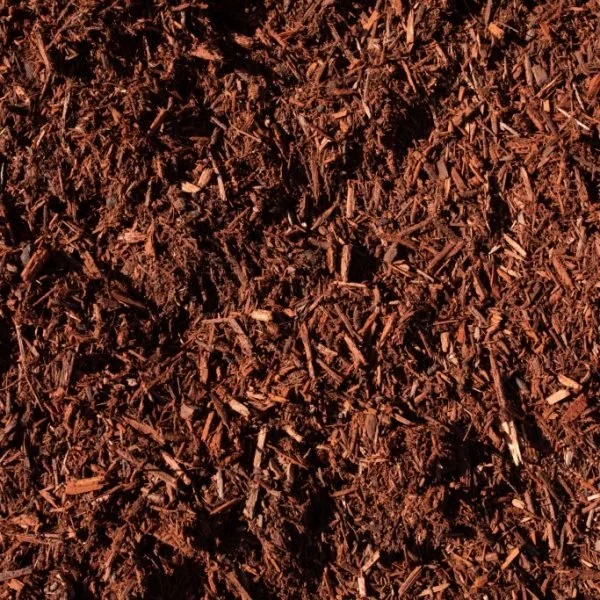
Red Mulch
Red mulch adds warm, vibrant color and bold contrast with green foliage. Typically made from color-enhanced wood, it gives beds a fresh, defined appearance.
Benefits: Enhances curb appeal, retains moisture, suppresses weeds, and moderates soil temperature.
Best Uses: Foundation plantings, tree rings, shrub borders, and established flower beds.
Where to Use Caution: Color does not determine plant suitability. Confirm the underlying material and keep mulch clear of plant bases.
Application & Maintenance: Apply approximately 2–3 inches around trees and shrubs, with a thinner layer around perennials. Check existing depth before replenishing; avoid accumulating thick layers.
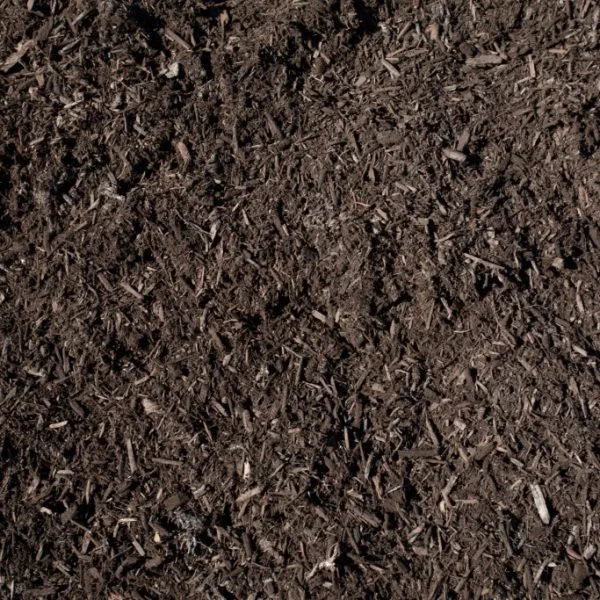
Brown Mulch
Brown mulch offers a classic, earthy appearance that blends naturally with plants and surrounding landscapes. Available in natural or color-enhanced varieties.
Benefits: Creates a natural finish, conserves moisture, reduces weeds, and moderates soil temperature.
Best Uses: Shrub borders, foundation beds, tree rings, and perennial gardens.
Where to Use Caution: Confirm the wood or bark composition. Avoid thick layers in wet beds and contact with trunks and stems.
Application & Maintenance: Apply approximately 2–3 inches around trees and shrubs, with a thinner layer around perennials. Check existing depth before replenishing; avoid accumulating thick layers.
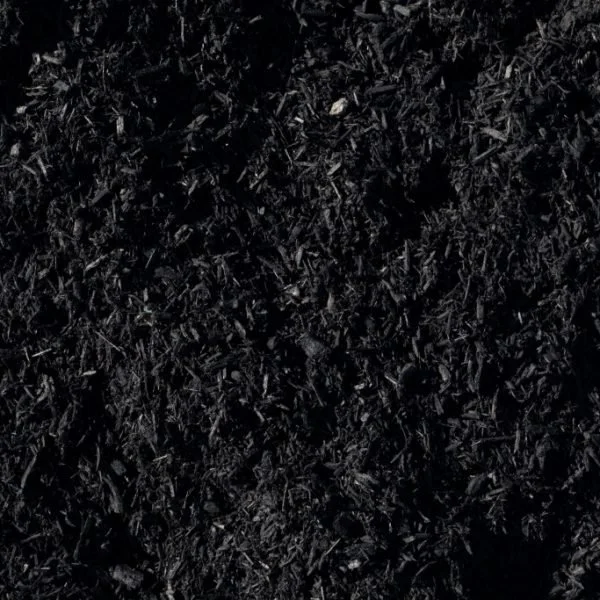
Black Mulch
Black mulch creates a rich, dark backdrop that makes foliage and flowers stand out. Typically made from color-enhanced wood, it gives beds a polished appearance.
Benefits: Provides visual contrast, defines beds, conserves moisture, and suppresses weeds.
Best Uses: Foundation plantings, flowering shrub borders, tree rings, and established perennial beds.
Where to Use Caution: Choose the material for planting conditions rather than color alone. Keep plant bases exposed, especially in damp areas.
Application & Maintenance: Apply approximately 2–3 inches around trees and shrubs, with a thinner layer around perennials. Check existing depth before replenishing; avoid accumulating thick layers.
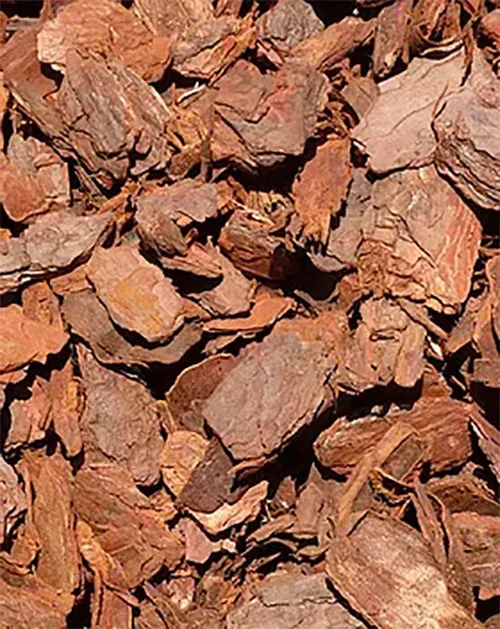
Bark Mulch / Bark Nuggets
Bark mulch is made from tree bark. These chunky nuggets add rustic texture while providing a protective covering over the soil.
Benefits: Conserves moisture, suppresses weeds, moderates soil temperature, and adds organic matter. Larger pieces generally decompose more slowly.
Best Uses: Tree rings, shrub borders, and established perennial beds where a rustic appearance is desired.
Where to Use Caution: Nuggets can shift or float where runoff collects. Avoid burying small plants or piling bark against trunks and stems.
Application & Maintenance: Apply approximately 2–3 inches around trees and shrubs, with a thinner layer around perennials. Check existing depth before replenishing; avoid accumulating thick layers.
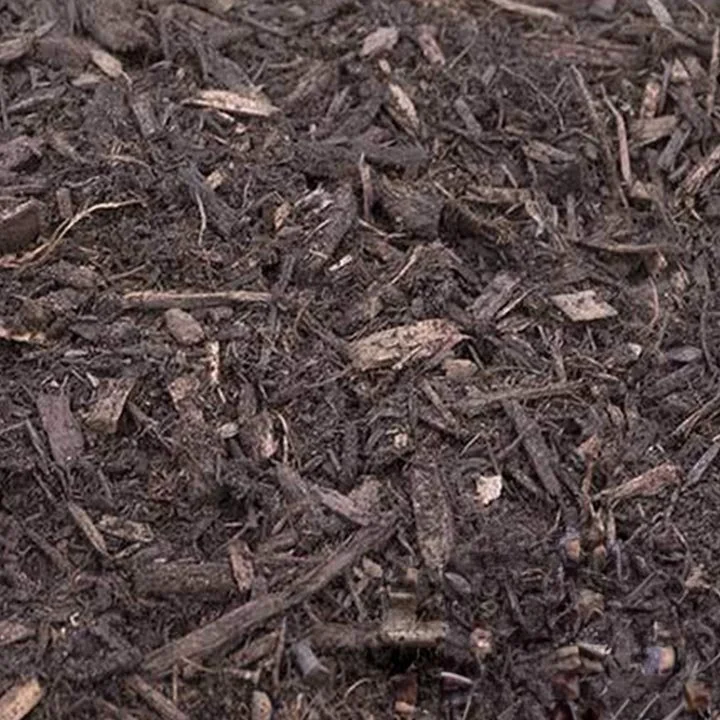
Double-Ground Hardwood Mulch
Processed twice for a finer, more consistent texture, double-ground hardwood spreads easily and gives beds a neat, natural finish.
Benefits: Provides even coverage, conserves moisture, suppresses weeds, and adds organic matter as it decomposes.
Best Uses: Foundation plantings, tree rings, shrub borders, and established perennial beds.
Where to Use Caution: Fine mulch can form a dense layer when applied too deeply. Use less in poorly drained beds and avoid mixing wood mulch into soil.
Application & Maintenance: Apply approximately 2–3 inches around trees and shrubs, with a thinner layer around perennials. Check existing depth before replenishing; avoid accumulating thick layers.

Cedar Mulch
Cedar mulch offers a woodsy aroma and natural texture. Its relatively slow decomposition makes it appealing for lasting coverage.
Benefits: Provides durable coverage, retains moisture, suppresses weeds, and moderates soil temperature.
Best Uses: Tree rings, shrub borders, foundation plantings, and established perennial gardens.
Where to Use Caution: Cedar does not provide guaranteed insect control. Avoid thick layers in wet beds and keep plant bases exposed.
Application & Maintenance: Apply approximately 2–3 inches around trees and shrubs, with a thinner layer around perennials. Check existing depth before replenishing; avoid accumulating thick layers.
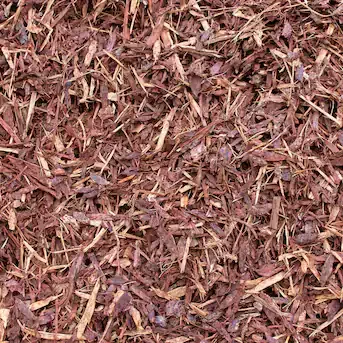
Hemlock Mulch
Hemlock mulch features warm, reddish-brown tones and a natural texture that complements trees, shrubs, and flowers.
Benefits: Enhances curb appeal, conserves moisture, suppresses weeds, moderates soil temperature, and adds organic matter.
Best Uses: Tree rings, shrub borders, foundation plantings, and established perennial beds; warm tones complement evergreen foliage.
Where to Use Caution: Avoid thick layers in poorly drained or consistently wet beds. Keep mulch clear of trunks, stems, and perennial crowns.
Application & Maintenance: Apply approximately 2–3 inches around trees and shrubs, with a thinner layer around perennials. Check existing depth before replenishing; avoid accumulating thick layers.

Pine Straw Mulch
Made from fallen pine needles, pine straw creates a lightweight covering with a soft woodland appearance.
Benefits: Retains moisture, reduces weeds, moderates soil temperature, and adds organic matter as it decomposes.
Best Uses: Tree rings, shrub borders, and natural-style gardens, including beds with azaleas and rhododendrons.
Where to Use Caution: Do not rely on pine straw to correct soil acidity; use a soil test. Keep needles clear of trunks, stems, and perennial crowns.
Application & Maintenance: Spread an even layer that settles to approximately 2–3 inches around trees and shrubs, using less around perennials. Replenish when bare patches appear.
Keep tree root flares exposed and mulch away from trunks, stems, and perennial crowns. Check soil moisture beneath the mulch before watering.